Mount Kailash rises majestically from the remote south-western reaches of Tibet—an awe-inspiring, near-perfect pyramid of striated rock soaring to 22,028 feet. Its remarkable symmetry is heightened by a mysterious diagonal fissure etched across one of its faces, lending the mountain an almost otherworldly presence. Often described as a compelling, dome-shaped peak, it stands in sublime isolation above a vast 13,000-foot plateau, where layers of rainbow-colored rocks spread across a stark yet hauntingly beautiful landscape. Known in Tibetan as Kang Rinpoche, the Precious Mountain, Mount Kailash is revered across civilizations and faiths as one of the most sacred places on Earth. For Hindus, Mount Kailash is the eternal abode of Lord Shiva, the great ascetic and cosmic transformer, who is believed to reside here with Goddess Parvati in a state of perpetual meditation. The mountain is regarded not merely as a physical landmark, but as a divine axis of the universe—the spiritual center where heaven and earth converge. Hindu scriptures and ancient traditions associate Mount Kailash with profound spiritual symbolism. It is believed to be the source of four sacred rivers—the Indus, Sutlej, Brahmaputra, and Karnali (a tributary of the Ganges)—which nurture vast civilizations across the Indian subcontinent. Circumambulating the mountain (parikrama or kora) is considered a powerful act of devotion, that washes away sins of a lifetime and leads the pilgrim closer to moksha, or liberation. Revered equally in Buddhism, Jainism, and the Bon tradition, Mount Kailash remains unclimbed by human endeavor. Legend holds that the great poet-yogi Milarepa of the 11th century was the only being ever to reach its summit—accomplishing the feat not by physical ascent, but by flying there through spiritual mastery.


-

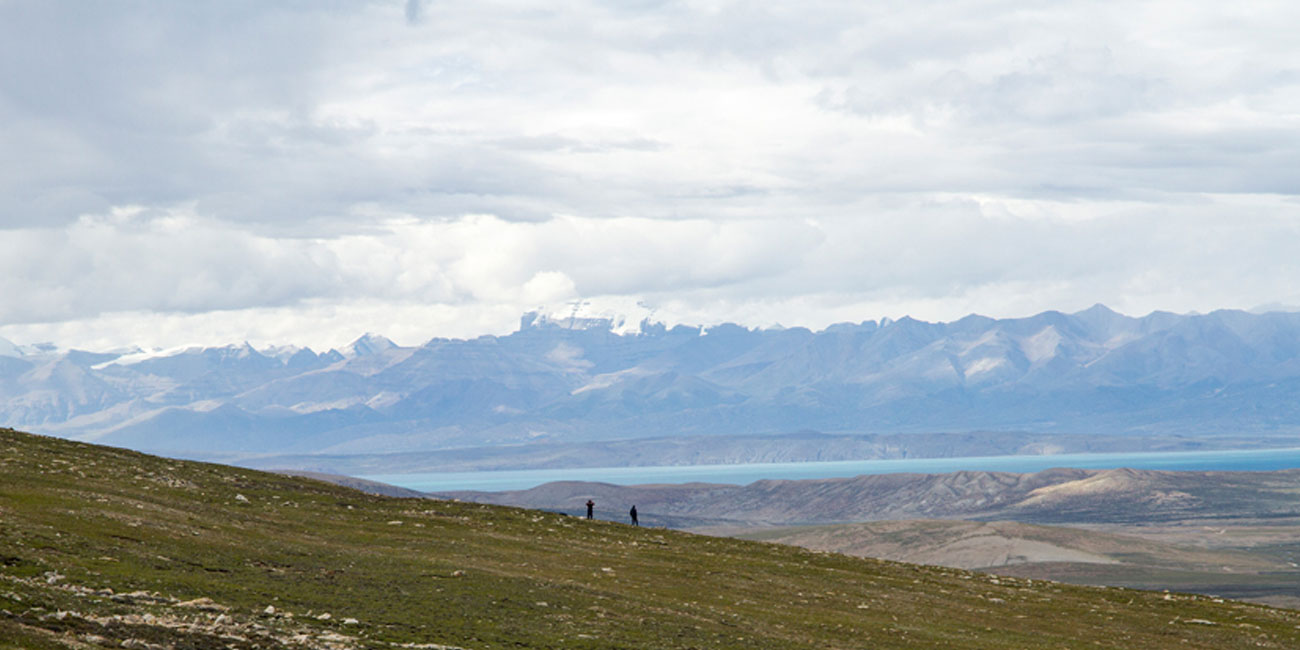
Mount Kailash View
-

Mansarovar Lake View
-

Mount Kailash Panaroma View
-

Mount Kailash Tour Team


Mount Kailash

Kailash Mansarovar Yatra 2026

- 13 Days
- 5,650m
- Moderate
Kailash Mansarovar Overland

- 15 Days
- 5,650m
- Moderate
Kailash Mansarovar via Lhasa
- 11 Days
- 5,650m
- Moderate
Kailash Mansarovar Yatra by Helicopter
About Us
MountKailash.Com is an exclusive Kailash Mansarovar Yatra Operator being managed by a team of professionals with several years of experience in the field of pilgrimage tourism to Mount Kailash and other parts of Nepal, India and Tibet. The operation part of Mount Kailash Yatra is directly looked after by our Tibet office based in Lhasa.

Our Satisfied Clients
We witness thousands of satisfied clients every year. See what they have to say about us.
We were very worried as we were climbing to such a high altitude for the first time. But our guide and support staff made our trip safe and memorable. We are glad that with their support we managed...
Balbir Singh
- From Madhya Pradesh, IndiaI did Kailash tour with MountKailash.com together with my friends in 2013. We first flew to Lhasa and drove to Mount Kailash and Lake Mansarovar. The detour to northern base camp of Mount Everest...
Jane Carter
- From UKWe had a very comfortable Kailash Mansarovar Yatra in 2014. We used helicopters for the trip. There were some old people in our group, but they were well taken care of by the Yatra organizers...
Narendra Adiraju
- From Tamil Nadu, IndiaWe Accept


Associated With


